Images are reproduced for editorial commentary and criticism. Copyright remains with the respective owners.


MOI Scoop
Campaigns
Audiences
Not-So-B2B
Social
Super Bowl
Trends
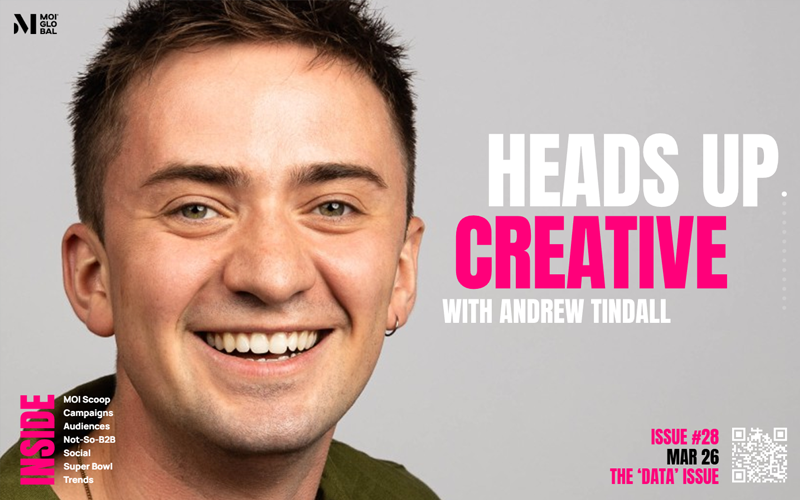
ISSUE #28
Mar 26
THE ‘DATA’ ISSUE

MOI Global creatives are often asked where we get our inspiration. The answer is always the same: anywhere and everywhere.
Take a stroll through this set of head-turning art, copy, ads, literature, culture, and trends that inspire us. And some of our original work that proves we take notice of what we see, when we look around.
This publication references campaigns and creative work from across the industry for editorial commentary only. Images are used for editorial commentary and criticism. © Copyright and property remains with the respective owners. If you are the rights holder and would like content removed or credited differently, please contact us. Each image is attributed to the original source which aligns with attribution expectations under the Copyright, Designs and Patents Act 1988 for quotation or criticism.

Andrew Tindall is the Chief Growth Officer at System1 and a marketing effectiveness expert known for analyzing the world’s best ads and why they work. With experience in major FMCG companies, he now collaborates with global brands and agencies to help improve creative effectiveness using System1’s data-driven insights.

MOI: What’s the secret to making an emotional impact on audiences in 2026?
Andrew: It’s a great question because the creation of brand effects through emotional advertising that creates brand effects has become more and more linked to business results over the past decade, as per my research with System1 and Effie Worldwide (see The Creative Dividend). And yet, the work is getting less emotional. We see that the average System1 Star Rating (our ad-emotion metric shown to predict brand growth) for every campaign submitted for an Effie award across the US and Europe is declining. So how do we fix this?
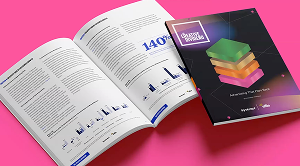
At a very top-line level, the answers lie within this same research. We’ve developed the Creativity Stack to answer this very question. There are four key creative outputs of advertising that lead to effectiveness: emotion, distinctiveness, showmanship and consistency. They all work with each other. Some distinctive brand assets actually help build emotion, especially the use of jingles and brand characters. Showmanship is the use of entertaining creative features like character, incident and place that do not assume the attention of the audience but earn it. Showmanship leads to more emotional work, and in turn advertising that creates more brand and business growth.
Finally, somewhat counterintuitively, consistency helps work become more emotional. The familiarity heuristic tells us that people like the familiar. In my Compound Creativity research with the IPA over the past few years, we found that advertising from more consistent brands actually becomes more emotional over time. The longer these brands stick to their positioning and creative platform, use the same ads for longer in more places, and execute the same look and feel, the greater the emotional response to their assets. I found the same thing again in this Effie dataset. Consistency really is a marketer’s best friend.
And of course, in 2026 you still need everything that a great creative team delivers to create emotional work. Culturally relevant creative ideas that are engaging and perhaps even novel. Work executed with craft, bringing fresh angles to old concepts. And the creation of fame, perhaps the last truly unfair creative advantage: an idea or execution that gets people talking about your brand. Much like Peter Field and Les Binet found in their work, I’ve found that campaigns that create fame lead to a significantly higher chance of profit.
Andrew Tindall is the Chief Growth Officer at System1 and a marketing effectiveness expert known for analyzing the world’s best ads and why they work. With experience in major FMCG companies, he now collaborates with global brands and agencies to help improve creative effectiveness using System1’s data-driven insights.
MOI: What’s the secret to making an emotional impact on audiences in 2026?
Andrew: It’s a great question because the creation of brand effects through emotional advertising that creates brand effects has become more and more linked to business results over the past decade, as per my research with System1 and Effie Worldwide (see The Creative Dividend). And yet, the work is getting less emotional. We see that the average System1 Star Rating (our ad-emotion metric shown to predict brand growth) for every campaign submitted for an Effie award across the US and Europe is declining. So how do we fix this?
At a very top-line level, the answers lie within this same research. We’ve developed the Creativity Stack to answer this very question. There are four key creative outputs of advertising that lead to effectiveness: emotion, distinctiveness, showmanship and consistency. They all work with each other. Some distinctive brand assets actually help build emotion, especially the use of jingles and brand characters. Showmanship is the use of entertaining creative features like character, incident and place that do not assume the attention of the audience but earn it. Showmanship leads to more emotional work, and in turn advertising that creates more brand and business growth.
Finally, somewhat counterintuitively, consistency helps work become more emotional. The familiarity heuristic tells us that people like the familiar. In my Compound Creativity research with the IPA over the past few years, we found that advertising from more consistent brands actually becomes more emotional over time. The longer these brands stick to their positioning and creative platform, use the same ads for longer in more places, and execute the same look and feel, the greater the emotional response to their assets. I found the same thing again in this Effie dataset. Consistency really is a marketer’s best friend.
And of course, in 2026 you still need everything that a great creative team delivers to create emotional work. Culturally relevant creative ideas that are engaging and perhaps even novel. Work executed with craft, bringing fresh angles to old concepts. And the creation of fame, perhaps the last truly unfair creative advantage: an idea or execution that gets people talking about your brand. Much like Peter Field and Les Binet found in their work, I’ve found that campaigns that create fame lead to a significantly higher chance of profit.
MOI: What recent ad campaigns have really turned your head?
Andrew: I love giving boring answers to this question. I won’t name another campaign from Liquid Death, Surreal, or a brand you see in the marketing press or LinkedIn feeds. Instead I’ll provide a US example of “boringly effective” work: Apartments.com. There is a ten-year case study in the recent Creative Dividend work that I recommend everyone reads.
Essentially they hired Jeff Goldblum to be their brand character and, unlike most brands that hire celebrities for a one-off pop, they committed to this character for ten years. They won a Silver Effie for Sustained Success, the hardest and most flattering category to win in, because they moved from being a challenger brand, something like 20th in the market, to number two over ten years.
The work was consistent, emotional, distinctive and heavily leaned into showmanship. Crucially, though, they invested to see the results, creating an Excess Share of Creativity by backing this brilliantly creative campaign with more and more media spend.
Every year they saw more brand awareness and more revenue. Five years into the campaign they stopped scaling their media investment so aggressively, held it reasonably flat, and saw the benefits of brand building. Their awareness and share just kept growing.
Again, it shows the unfair advantage of creative quality: you can take it easier on media spend. And it demonstrates what a truly effective campaign must do, which is create profit. Honestly, it’s just a brilliant campaign. Any marketer who worked on that deserves to retire.
MOI: What’s your favourite ad campaign of all time?
Andrew: Unlike the first question, this is a
terrible question. So I’ll use it to make a point.
I’ll go with Jaffa Cakes’ “Full moon, half-moon, total eclipse.” For anyone who hasn’t seen
this series of ads, it shows various characters eating a round Jaffa Cake first in half,
then in full, saying the line: “Full moon, half-moon, total eclipse.” It ran for years, did
wonderful things for their market share, and was famous. The line entered culture
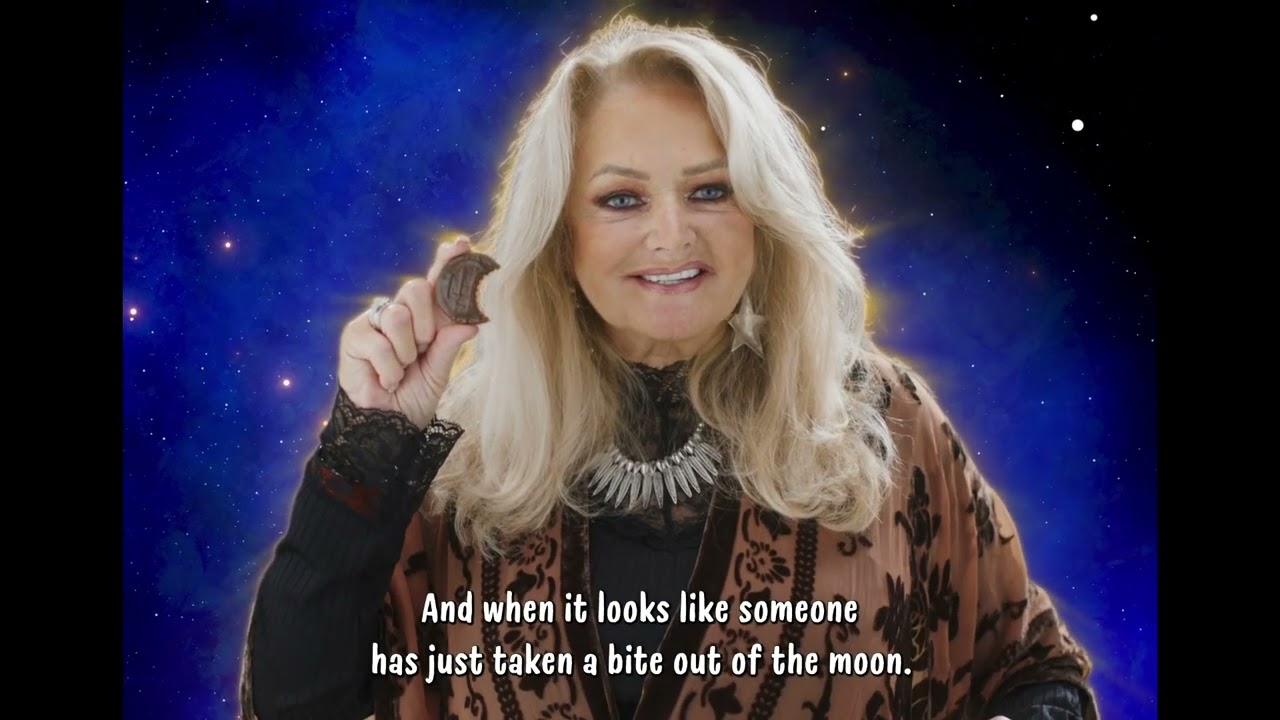
Image and article courtesy © McVitie's Jaffa Eclipse | Bonnie Tyler x Jaffa Cakes
Source: https://www.youtube.com/watch?v=Mr84Vkr4YWk
Why do I love this? Because it proves a successful campaign does not need an “insight”. I’ve led, worked on, supported or judged thousands of campaigns at this point due to my wonderful role at System1, and whenever you see the briefing document, awards entry or internal wrap report, the page titled “insight” is usually full of a jumble of words that ranges from a story, to a fact, to a penetrating truth that is relevant to the brand, commercially useful and has some kind of emotional tension, which is what I would consider a real insight.
It’s very clear that no marketer can agree what an insight is, and consumers do not give a shit. Advertising can be commercially successful with grand strategy that unlocks growth, or by simply making a fun ad that points out that a Jaffa Cake is round like the moon.
I could also have named the Compare the Market work, where an intern simply found it hilarious that “market” in a Russian accent sounded like “meerkat”. No grand strategy there, yet it changed comparison advertising globally overnight.
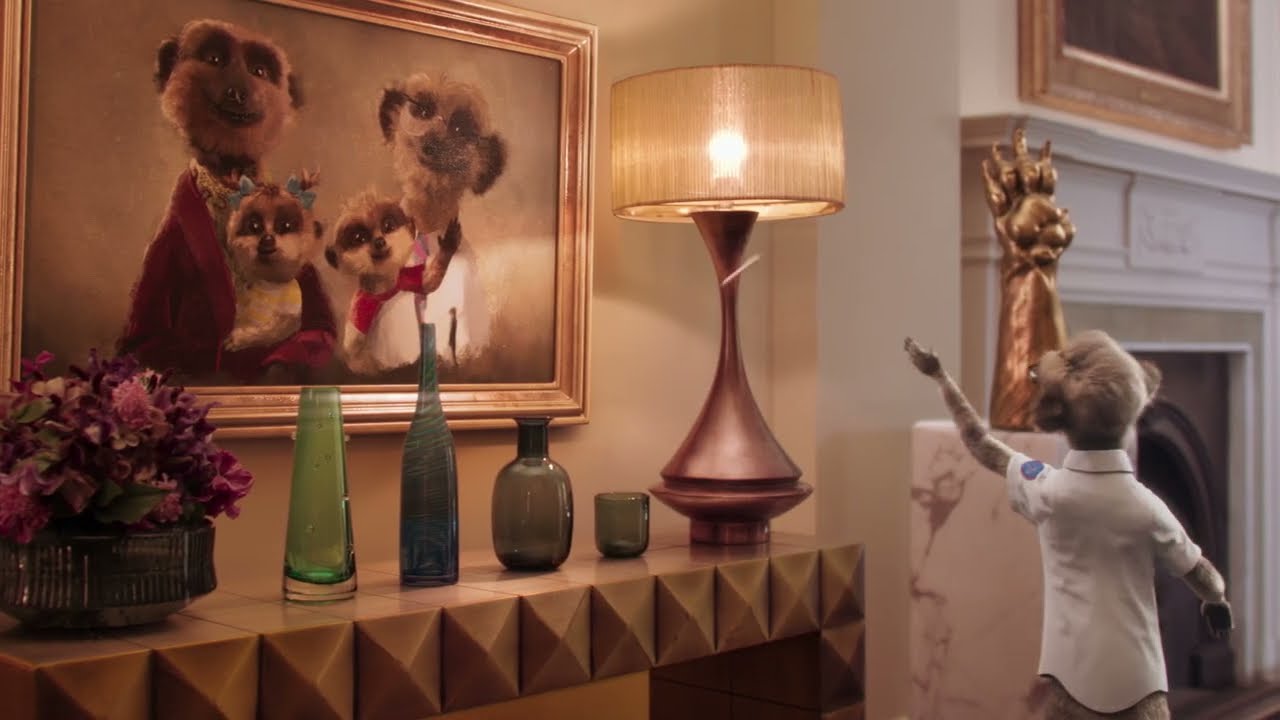
Image and article courtesy © Me Time | Compare the Market
Source: https://www.youtube.com/watch?v=I2y0U2sjQks
MOI: You talk about the importance of media and creative working together, but how do you go about changing internal culture to make it happen?
Andrew: First, stop treating media and creative like divorced parents arguing over custody of the budget. The research is pretty clear: this isn’t a debate about which matters more. Together, creative quality and media support explain 60.1% of reported business results.
The bigger internal issue is a confidence gap. Low-confidence marketers lean harder on
short-term digital metrics, and creativity is still widely seen as a risk. So you change the
culture by changing the conversation: one room, one scorecard, one commercial language.
Measure creative quality early. Judge media against business outcomes, not just cheap
clicks. Back stronger work with broader reach and more time in market.
Honestly, this is a tough question. It takes a very skilled marketer with a proper grasp of
their internal stakeholders to walk them through the proof that creativity matters and that
its impact scales exponentially. There’s no blueprint for achieving this.
It could be running geo-experiments where you change things with different customers or markets and show that the more consistent or emotional idea returned three times the ROI. It could be hiring a proper econometrics business and integrating System1’s creative metrics into it, showing how emotional the ad is explains about 60% of the profit return, which is a true story with a client I work with. It could be bringing Les Binet into an exec meeting and force-feeding them The Long and the Short of It. Or even getting the business onto Mark Ritson’s Mini MBA in Marketing so everyone has a shared commercial language around the value of creativity and mass reach. Or all of the above.
Achieving this is what sets marketers apart from project managers.
MOI: What impact do you think AI will really have on the advertising industry? What changes do you think we’ll see in the coming years?
Andrew: I’m currently in Mexico. One of my older, far wiser friends who works in investing posed this to me after about six cervezas last night.
He basically believes in system three. Humans have been shown to think in system one pathways, fast, subconscious and emotional, about 95% of the time, and system two, slow, effortful and rational, about 5% of the time. Daniel Kahneman won a Nobel Prize for this research. This is why emotional broad-reach advertising works. It primes and influences our brains to tap into those system one decision pathways.
My friend believes this is over. That the best products will now be chosen regardless of brand because people will ask their AI buddy which is the highest-quality holiday destination, house or chocolate bar. And it will simply tell you the highest-quality product or service. I think this is horse shit.
The same argument would have been made when we moved from word of mouth to phone directories, the Yellow Pages, or from phone directories to the internet. And the same argument was absolutely used when Alexa and Siri were launched. These things would control our decisions and advertising and brand building would no longer matter.
First, the majority of AI is built from people writing things. So advertising to these people and creating content will influence the models, not simply what the greatest product is. Second, that person will not ask for a chocolate bar, they will ask for a filling nutty chocolate bar, because Snickers advertising works. And third, the final decision will always come down to human behaviour. All of this really points to advertising and brand building becoming far more important.
I do think this will have a greater impact in some categories, like holidays. LLMs are simply better than going to one provider with a more limited set of options and a more limited way of searching. But overall, the hype is too big.
MOI: What impact do you think AI will really have on the advertising industry? What changes do you think we’ll see in the coming years?
Andrew: Any other future predictions you’d like to mention?
A few. Fame will matter more. Trust will matter more. Distinctiveness will matter more.
I think fluent devices, sonic assets and jingles are due a comeback because brands need faster recognition in lower-attention environments. I think creators and other touchpoints that can do short and long at the same time will be taken more seriously.
And I think the brands that win will look strangely old-fashioned: broad reach, emotional creative, consistent execution, patient investment, and going big in fewer channels. Everyone else will call it unfashionable. Then copy it three years later when the profit result lands.
And maybe, just maybe, we will return to a more fun, more human world of marketing that we are all prouder to work in.
MOI: What recent ad campaigns have really turned your head?
Andrew: I love giving boring answers to this question. I won’t name another campaign from Liquid Death, Surreal, or a brand you see in the marketing press or LinkedIn feeds. Instead I’ll provide a US example of “boringly effective” work: Apartments.com. There is a ten-year case study in the recent Creative Dividend work that I recommend everyone reads.
Essentially they hired Jeff Goldblum to be their brand character and, unlike most brands that hire celebrities for a one-off pop, they committed to this character for ten years. They won a Silver Effie for Sustained Success, the hardest and most flattering category to win in, because they moved from being a challenger brand, something like 20th in the market, to number two over ten years.
The work was consistent, emotional, distinctive and heavily leaned into showmanship. Crucially, though, they invested to see the results, creating an Excess Share of Creativity by backing this brilliantly creative campaign with more and more media spend.
Every year they saw more brand awareness and more revenue. Five years into the campaign they stopped scaling their media investment so aggressively, held it reasonably flat, and saw the benefits of brand building. Their awareness and share just kept growing.
Again, it shows the unfair advantage of creative quality: you can take it easier on media spend. And it demonstrates what a truly effective campaign must do, which is create profit. Honestly, it’s just a brilliant campaign. Any marketer who worked on that deserves to retire.
MOI: What’s your favourite ad campaign of all time?
Andrew: Unlike the first question,
this is a terrible question. So I’ll use it to make a point.
I’ll go with Jaffa Cakes’ “Full moon, half-moon, total eclipse.” For anyone who
hasn’t seen this series of ads, it shows various characters eating a round Jaffa
Cake first in half, then in full, saying the line: “Full moon, half-moon, total
eclipse.” It ran for years, did wonderful things for their market share, and was
famous. The line entered culture.
Why do I love this? Because it proves a successful campaign does not need an “insight”. I’ve led, worked on, supported or judged thousands of campaigns at this point due to my wonderful role at System1, and whenever you see the briefing document, awards entry or internal wrap report, the page titled “insight” is usually full of a jumble of words that ranges from a story, to a fact, to a penetrating truth that is relevant to the brand, commercially useful and has some kind of emotional tension, which is what I would consider a real insight.
It’s very clear that no marketer can agree what an insight is, and consumers do not give a shit. Advertising can be commercially successful with grand strategy that unlocks growth, or by simply making a fun ad that points out that a Jaffa Cake is round like the moon.
I could also have named the Compare the Market work, where an intern simply found it hilarious that “market” in a Russian accent sounded like “meerkat”. No grand strategy there, yet it changed comparison advertising globally overnight.
My favourite ad campaign(s) of all time.
Watch here
Image and article courtesy © McVitie's Jaffa Eclipse | Bonnie Tyler x Jaffa Cakes
Source: https://www.youtube.com/watch?v=Mr84Vkr4YWk
Watch here
Image and article courtesy © Me Time | Compare the Market
Source: https://www.youtube.com/watch?v=I2y0U2sjQks
MOI: You talk about the importance of media and creative working together, but how do you go about changing internal culture to make it happen?
Andrew: First, stop treating media and creative like divorced parents arguing over custody of the budget. The research is pretty clear: this isn’t a debate about which matters more. Together, creative quality and media support explain 60.1% of reported business results.
The bigger internal issue is a confidence gap. Low-confidence marketers lean harder
on short-term digital metrics, and creativity is still widely seen as a risk. So you
change the culture by changing the conversation: one room, one scorecard, one
commercial language. Measure creative quality early. Judge media against business
outcomes, not just cheap clicks. Back stronger work with broader reach and more time
in market.
Honestly, this is a tough question. It takes a very skilled marketer with a proper
grasp of their internal stakeholders to walk them through the proof that creativity
matters and that its impact scales exponentially. There’s no blueprint for achieving
this.
It could be running geo-experiments where you change things with different customers or markets and show that the more consistent or emotional idea returned three times the ROI. It could be hiring a proper econometrics business and integrating System1’s creative metrics into it, showing how emotional the ad is explains about 60% of the profit return, which is a true story with a client I work with. It could be bringing Les Binet into an exec meeting and force-feeding them The Long and the Short of It. Or even getting the business onto Mark Ritson’s Mini MBA in Marketing so everyone has a shared commercial language around the value of creativity and mass reach. Or all of the above.
Achieving this is what sets marketers apart from project managers.
MOI: What impact do you think AI will really have on the advertising industry? What changes do you think we’ll see in the coming years?
Andrew: I’m currently in Mexico. One of my older, far wiser friends who works in investing posed this to me after about six cervezas last night.
He basically believes in system three. Humans have been shown to think in system one pathways, fast, subconscious and emotional, about 95% of the time, and system two, slow, effortful and rational, about 5% of the time. Daniel Kahneman won a Nobel Prize for this research. This is why emotional broad-reach advertising works. It primes and influences our brains to tap into those system one decision pathways.
My friend believes this is over. That the best products will now be chosen regardless of brand because people will ask their AI buddy which is the highest-quality holiday destination, house or chocolate bar. And it will simply tell you the highest-quality product or service. I think this is horse shit.
The same argument would have been made when we moved from word of mouth to phone directories, the Yellow Pages, or from phone directories to the internet. And the same argument was absolutely used when Alexa and Siri were launched. These things would control our decisions and advertising and brand building would no longer matter.
First, the majority of AI is built from people writing things. So advertising to these people and creating content will influence the models, not simply what the greatest product is. Second, that person will not ask for a chocolate bar, they will ask for a filling nutty chocolate bar, because Snickers advertising works. And third, the final decision will always come down to human behaviour. All of this really points to advertising and brand building becoming far more important.
I do think this will have a greater impact in some categories, like holidays. LLMs are simply better than going to one provider with a more limited set of options and a more limited way of searching. But overall, the hype is too big.
MOI: Any other future predictions you’d like to mention?
Andrew: A few. Fame will matter more. Trust will matter more. Distinctiveness will matter more.
I think fluent devices, sonic assets and jingles are due a comeback because brands need faster recognition in lower-attention environments. I think creators and other touchpoints that can do short and long at the same time will be taken more seriously.
And I think the brands that win will look strangely old-fashioned: broad reach, emotional creative, consistent execution, patient investment, and going big in fewer channels. Everyone else will call it unfashionable. Then copy it three years later when the profit result lands.
And maybe, just maybe, we will return to a more fun, more human world of marketing that we are all prouder to work in.
Ever been told to "make the logo bigger"? We've all been there. Canva used recurring user behavior and brand governance friction for a tongue-in-cheek OOH campaign that poked fun at the universal feedback we're all too used to hearing, while promoting its Brand Kit feature.
Image and article courtesy © Stink Studios, Canva
SourceSpotify showed how well they knew their audience, by hitting media planners precisely where they spend all their time: spreadsheets. By turning a humble spreadsheet into something truly special, Spotify created Spreadbeats – the first ever music video made on Excel by converting 25 million data points into art.
Image and article courtesy © FCB NY, Spotify
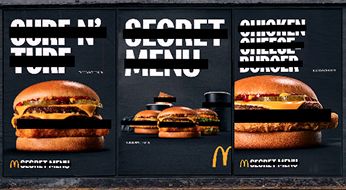
SourceA menu created for the fans, by the fans. McDonald's 'Secret Menu' campaign turned popular customer-built hacks into real, limited-time menu items – all based off in-store and app behavioral data. From self-destructing billboards to cryptic social posts, the brand knew exactly how to get people's attention.
Image and article courtesy © Leo Burnett, McDonald’s
Source

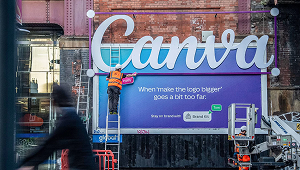
Ever been told to "make the logo bigger"? We've all been there. Canva used recurring user behavior and brand governance friction for a tongue-in-cheek OOH campaign that poked fun at the universal feedback we're all too used to hearing, while promoting its Brand Kit feature.
Image and article courtesy © Stink Studios, Canva
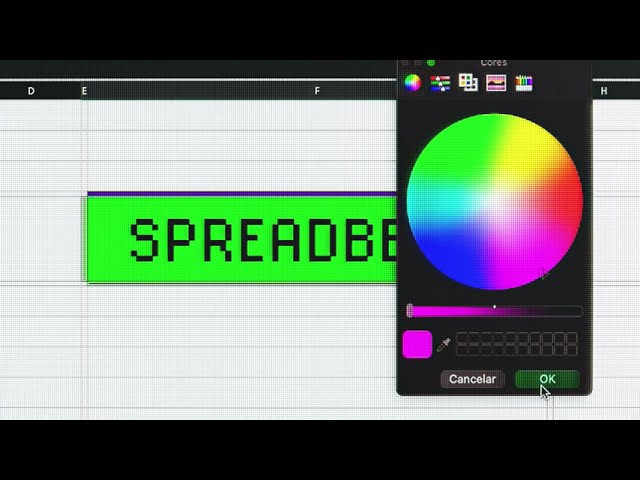
Spotify showed how well they knew their audience, by hitting media planners precisely where they spend all their time: spreadsheets. By turning a humble spreadsheet into something truly special, Spotify created Spreadbeats – the first ever music video made on Excel by converting 25 million data points into art.
Image and article courtesy © FCB NY, Spotify
A menu created for the fans, by the fans. McDonald's 'Secret Menu' campaign turned popular customer-built hacks into real, limited-time menu items – all based off in-store and app behavioral data. From self-destructing billboards to cryptic social posts, the brand knew exactly how to get people's attention.
Image and article courtesy © Leo Burnett, McDonald’s
The Australian Lamb summer campaign was led by cultural data, specifically Australia’s drop out of the Top 10 Happiest Countries ranking and long-term tracking of national identity sentiment. The data prompted a humorous defence of Australian joy anchored in summer rituals and lamb consumption.
Image and article courtesy © Droga5, Meat & Livestock Australia
Source
Buldak’s “Hotter Than My Ex” campaign tapped into Gen Z behavioral trends and data – turning Valentine's Day into a moment of self-love and breakup humor over traditional romance. Collaborating with K-Pop's BOYNEXTDOOR, the brand transformed a niche spicy noodle fandom into a scalable, high-engagement cultural moment.
Image and article courtesy © Buldak Official | YouTube
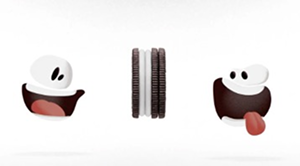
SourceEver wondered where the name Oreo comes from? The beloved cookie brand handed the mic to the fans, with a voice-activated cookie-naming game that transformed user behavior into the creative hook. The campaign reached 350 million social impressions, 68% spike in web traffic and hit double-digits sales growth.
Image and article courtesy © VML NY and Mondelez International, Oreo
Source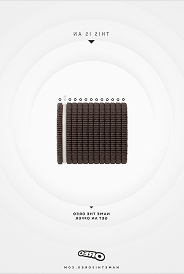
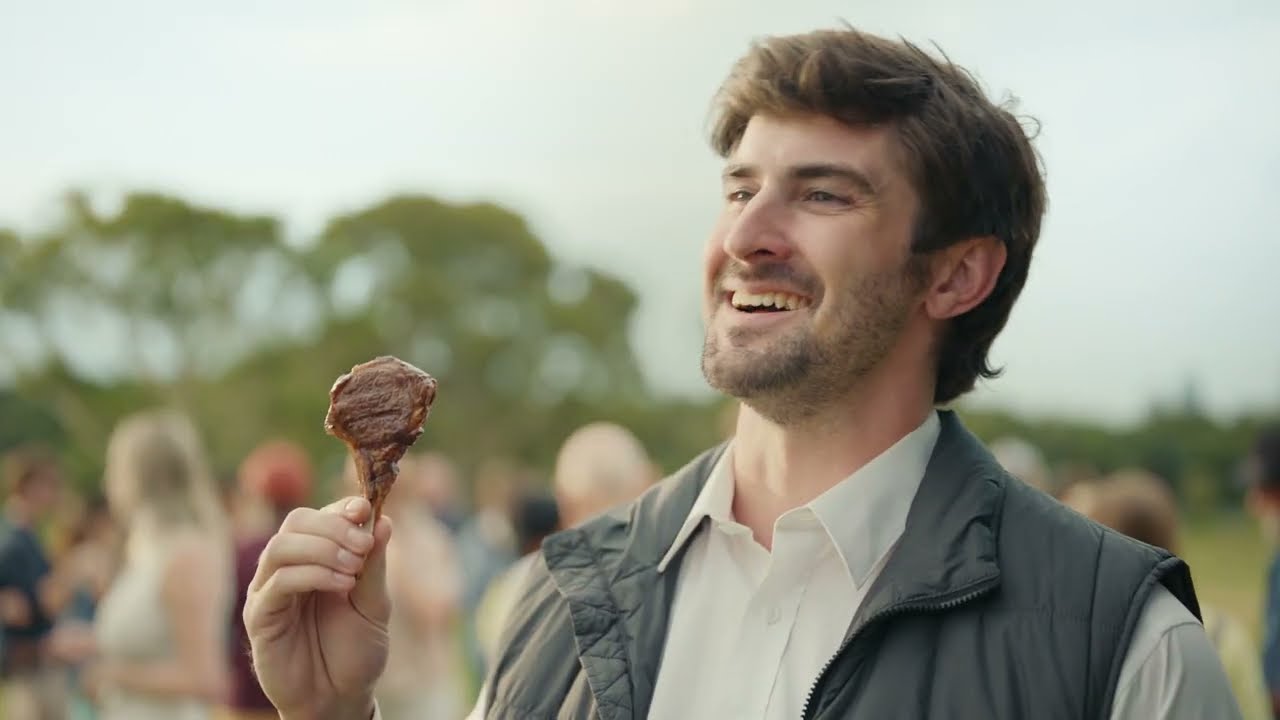
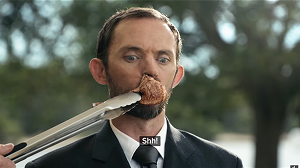
The Australian Lamb summer campaign was led by cultural data, specifically Australia’s drop out of the Top 10 Happiest Countries ranking and long-term tracking of national identity sentiment. The data prompted a humorous defence of Australian joy anchored in summer rituals and lamb consumption.
Image and article courtesy © Droga5, Meat & Livestock Australia

Buldak’s “Hotter Than My Ex” campaign tapped into Gen Z behavioral trends and data – turning Valentine's Day into a moment of self-love and breakup humor over traditional romance. Collaborating with K-Pop's BOYNEXTDOOR, the brand transformed a niche spicy noodle fandom into a scalable, high-engagement cultural moment.
Image and article courtesy © Buldak Official | YouTube
Ever wondered where the name Oreo comes from? The beloved cookie brand handed the mic to the fans, with a voice-activated cookie-naming game that transformed user behavior into the creative hook. The campaign reached 350 million social impressions, 68% spike in web traffic and hit double-digits sales growth.
Image and article courtesy © VML NY and Mondelez International, Oreo

Not-so-B2B thinking™
Innovation isn't
always forward
(Sometimes the
best answer is less,
not more)
(What? In this case…
is brand!)
Real innovation isn't always about adopting the latest technology - sometimes it's about choosing what actually works for humans. Just as dumb phones represent progress by doing less, better, our approach challenges the assumption that more features, more platforms, more automation always equals better outcomes.
Our Not-so-B2B approach brings together diverse perspectives to question what everyone else assumes is inevitable. We look sideways at problems rather than straight ahead, finding solutions that might seem counterintuitive but create genuine value.
Because the most innovative answer to your challenge might not be the most technically advanced one. It might be simpler, more focused, more intentional. And discovering that requires thinking differently about innovation that turn heads.
(What? In this case… is brand!)
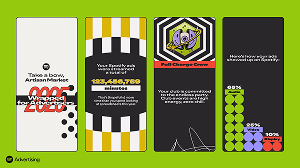
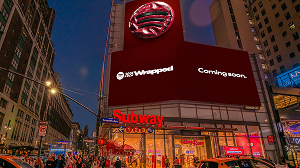
Image courtesy © Spotify
Source
Written by Stuart Andrews
For years we’ve been fed the line “data is king”. I’m not so sure… at best, it's a powerful advisor, at worst, it's like some loud, confident idiot everyone's too scared to challenge.
What’s interesting is that the brands getting data right don't look like they're "using data" at all.
Take Spotify Wrapped… every December, millions of people eagerly await what is, technically speaking, quite boring behavioural data: you played this track, at this time, in this place. Yet Spotify transforms it into an annual cultural moment that people genuinely look forward to.
The genius? It doesn't talk about data. It talks about you.
Wrapped packages your listening history into a story that feels personal and playful. It sparks social sharing, in-jokes, gentle embarrassment, real pride. You don't experience it as algorithmic analysis. You experience emotional insight: "They know me. They get me." The ones and zeroes are completely invisible. The feeling is entirely present.
This is what the best use of data actually looks like: lateral thinking disguised as inevitability.
Contrast that with B2B, where "data-driven" has become a meaningless default claim. We've spent two decades worshipping dashboards whilst the most important buying signals – Is the sponsor still invested? Has the CFO moved goalposts? Are engineers offended by your deck? – barely register in our reports.
These are ethnographic questions about people and emotion. You can't solve them with another layer of analytics.
What B2B needs is what Spotify demonstrates: data in service of insight, not worship. Treat it as one advisor among several – ethnography, experience, common sense. Design experiences where the data disappears. Reward interpretation over volume. Watch how buyers actually behave.
The point isn't that data doesn't matter. It's that elevating it to "king" status was IMHO an error. Kings are obeyed. Advisors are challenged.
The best use of data doesn't look like "using data." It looks like knowing your buyer so well the experience feels inevitable.
That's Not-so-B2B.
Written by Stuart Andrews
For years we’ve been fed the line “data is king”. I’m not so sure… at best, it's a powerful advisor, at worst, it's like some loud, confident idiot everyone's too scared to challenge.
What’s interesting is that the brands getting data right don't look like they're "using data" at all.
Take Spotify Wrapped… every December, millions of people eagerly await what is, technically speaking, quite boring behavioural data: you played this track, at this time, in this place. Yet Spotify transforms it into an annual cultural moment that people genuinely look forward to.
The genius? It doesn't talk about data. It talks about you.
Wrapped packages your listening history into a story that feels personal and playful. It sparks social sharing, in-jokes, gentle embarrassment, real pride. You don't experience it as algorithmic analysis. You experience emotional insight: "They know me. They get me." The ones and zeroes are completely invisible. The feeling is entirely present.
This is what the best use of data actually looks like: lateral thinking disguised as inevitability.
Contrast that with B2B, where "data-driven" has become a meaningless default claim. We've spent two decades worshipping dashboards whilst the most important buying signals – Is the sponsor still invested? Has the CFO moved goalposts? Are engineers offended by your deck? – barely register in our reports.
These are ethnographic questions about people and emotion. You can't solve them with another layer of analytics.
What B2B needs is what Spotify demonstrates: data in service of insight, not worship. Treat it as one advisor among several – ethnography, experience, common sense. Design experiences where the data disappears. Reward interpretation over volume. Watch how buyers actually behave.
The point isn't that data doesn't matter. It's that elevating it to "king" status was IMHO an error. Kings are obeyed. Advisors are challenged.
The best use of data doesn't look like "using data." It looks like knowing your buyer so well the experience feels inevitable.
That's Not-so-B2B.
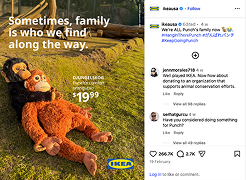

Let's be real: Punch the monkey has stolen all our hearts. And IKEA's response to the viral moment tapped perfectly into the algorithm – showing their now-famous Djungelskog orangutan plush as the beloved surrogate for the baby macaque.
Image and article courtesy © IKEA | IKEA USA Instagram
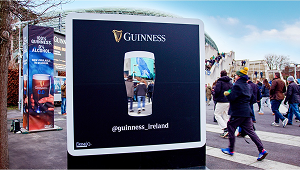
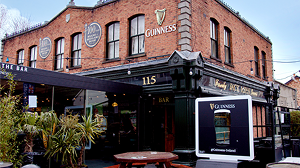
SourceGuinness wants customers to share their 'Pint Of View'. Leveraging existing fan photo habits, the brand scaled their viral Irish campaign across Great Britain with beer mats, OOH and social posts based on cultural and behavioral data – because when it comes to social media, POV content is where the viral moments are.
Image and article courtesy © Born Social, Verve, Guinness | Little Black Book
Source
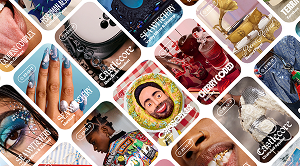
Every year, Pinterest drops their trend report, Pinterest Predicts. But rather than publish yet another static list, Mojo Supermarket used Pinterest's trend data and algorithms to create something more engaging: a shoppable experience where users could 'try on' the trends of 2025.
Image and article courtesy © Mojo Supermarket, Pinterest
Source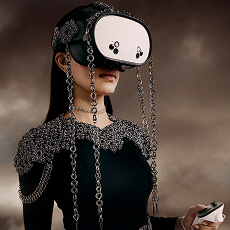
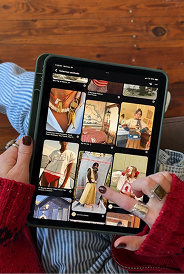

Let's be real: Punch the monkey has stolen all our hearts. And IKEA's response to the viral moment tapped perfectly into the algorithm – showing their now-famous Djungelskog orangutan plush as the beloved surrogate for the baby macaque.
Image and article courtesy © IKEA | IKEA USA Instagram
Guinness wants customers to share their 'Pint Of View'. Leveraging existing fan photo habits, the brand scaled their viral Irish campaign across Great Britain with beer mats, OOH and social posts based on cultural and behavioral data – because when it comes to social media, POV content is where the viral moments are.
Image and article courtesy © Born Social, Verve, Guinness | Little Black Book
Every year, Pinterest drops their trend report, Pinterest Predicts. But rather than publish yet another static list, Mojo Supermarket used Pinterest's trend data and algorithms to create something more engaging: a shoppable experience where users could 'try on' the trends of 2025.
Image and article courtesy © Mojo Supermarket, Pinterest
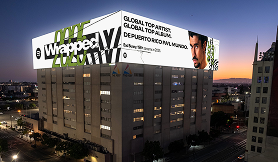
Over the past decade, Spotify Wrapped has transformed passive listening data into a cultural ritual, making personal consumption a public badge of identity. What was once fleeting audio has become an annual moment of self-expression – proof that data, when packaged emotionally, creates tradition.
Image and article courtesy © Spotify
Source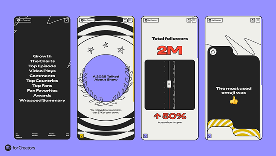
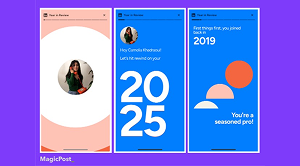
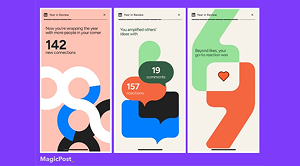
LinkedIn also jumped on the data bandwagon, compiling users' professional activity such as shared posts, profile impressions, new connections and engagement trends into a personalized, shareable year-end recap.
Image and article courtesy © LinkedIn, MagicPost
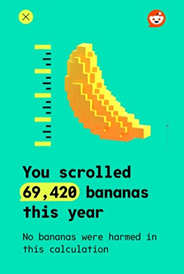
SourceIn 2024, Reddit launched Reddit Recap – transforming users’ oddly specific browsing habits into humorous, shareable self-recognition, making the platform feel deeply personal. By leaning into inside jokes and its distinctive voice, Reddit turns data into belonging, strengthening loyalty while quietly driving retention.
Image and article courtesy © Reddit
Source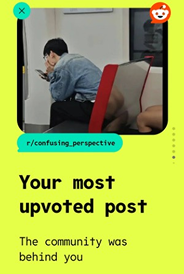

Over the past decade, Spotify Wrapped has transformed passive listening data into a cultural ritual, making personal consumption a public badge of identity. What was once fleeting audio has become an annual moment of self-expression – proof that data, when packaged emotionally, creates tradition.
Image and article courtesy © Spotify
LinkedIn also jumped on the data bandwagon, compiling users' professional activity such as shared posts, profile impressions, new connections and engagement trends into a personalized, shareable year-end recap.
Image and article courtesy © LinkedIn, MagicPost
In 2024, Reddit launched Reddit Recap – transforming users’ oddly specific browsing habits into humorous, shareable self-recognition, making the platform feel deeply personal. By leaning into inside jokes and its distinctive voice, Reddit turns data into belonging, strengthening loyalty while quietly driving retention.
Image and article courtesy © Reddit
Need inspiration for your next campaign, or want to chat with our global Creative
Team?
creative@moi-global.com
Get those creative juice flowing with head-turning
examples of
creativity, straight to your inbox.