Images are reproduced for editorial commentary and criticism. Copyright remains with the respective owners.


MOI Scoop
Brand
Ads
Turning Heads
Design
Trends
ISSUE #24
NOV 25
THE ‘HUMOR’ ISSUE

MOI Global creatives are often asked where we get our inspiration. The answer is always the same: anywhere and everywhere.
Take a stroll through this set of head-turning art, copy, ads, literature, culture, and trends that inspire us. And some of our original work that proves we take notice of what we see, when we look around. Features images and articles from multiple online sources, shared for inspiration purposes only, not commercial use. © various owners (see URLs throughout for more information).


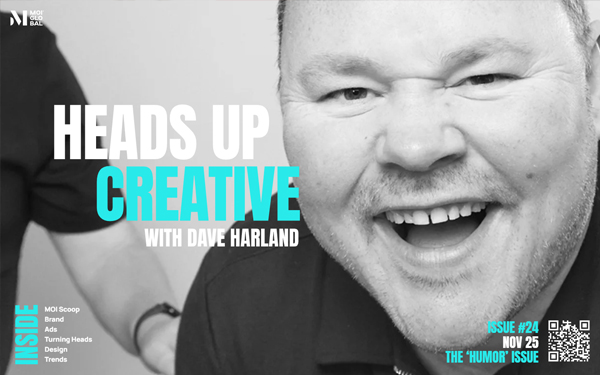
Known fondly as "The Word Man", Dave Harland is a master of all things copy. Whether it's crafting a tone of voice, website copy, or ad campaigns, he writes words that make people think: "Whoa I need this in my life RIGHT NOW". And humor is his secret weapon. We had the chance to pick his brain...

MOI: What do you think it takes to turn heads with copy?
Dave: More than anything, it has to be interesting. Interesting enough to interrupt people’s day and make them read whatever it is that you’re saying. That means being shocking, or funny, or intriguing, or weird – the more original you can be, the better, because people glaze over when they see phrases that they’ve read a hundred times before. And then once you’ve interested them with a shocking ad headline, or a funny subject line, or a weird phrase on the outside of an envelope, your next job is to make people feel something. Make them care about what you’re saying enough to do whatever you want them to do. Get those two bits right, and you’re sound.
MOI: What's one of your favourite projects you've worked on?
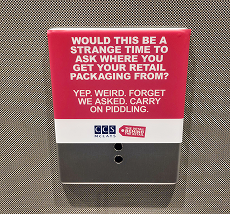
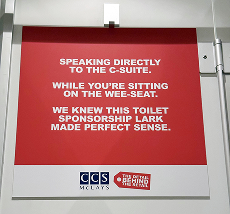
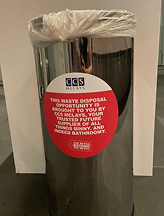
Dave: It has to be one I worked on with Gasp agency for a brand called CCS McLays. They’re a company that supplies everything a retailer needs but doesn’t sell, like stationery, carrier bags, cleaning supplies, staff uniforms and toilet rolls.
As part of a repositioning project, Gasp came up with the genius idea of having CCS McLays sponsor the toilets at the retail industry’s biggest event of the year. So I wrote dozens of funny and cheeky fourth-wall breaking copy lines on the backs of cubicle doors, on mirrors, on the floor and even on the bins. I never dreamt I’d be able to write the words “widdle” or “piddle” in a professional setting.
MOI: What's a brand you've seen recently that's really hacked their TOV - and what do you love about it?
Dave: Palace Skateboards’ product descriptions are just exquisite. Unlike most fashion brands who have a sensible little intro paragraph for each product that talks about its style or material, Palace does theirs in bullet points that are rarely – if ever – about the clothes. Some feel like on-the-fly rants. Others are random streams of consciousness. Or just an outpouring of what the writer is doing that day. It’s the perfect example of how to do a cool tone of voice. You just don’t give a shit.
Known fondly as "The Word Man", Dave Harland is a master of all things copy. Whether it's crafting a tone of voice, website copy, or ad campaigns, he writes words that make people think: "Whoa I need this in my life RIGHT NOW". And humor is his secret weapon. We had the chance to pick his brain...
MOI: What do you think it takes to turn heads with copy?
Dave: More than anything, it has to be interesting. Interesting enough to interrupt people’s day and make them read whatever it is that you’re saying. That means being shocking, or funny, or intriguing, or weird – the more original you can be, the better, because people glaze over when they see phrases that they’ve read a hundred times before. And then once you’ve interested them with a shocking ad headline, or a funny subject line, or a weird phrase on the outside of an envelope, your next job is to make people feel something. Make them care about what you’re saying enough to do whatever you want them to do. Get those two bits right, and you’re sound.
MOI: What's one of your favourite projects you've worked on?
Dave: It has to be one I worked on with Gasp agency for a brand called CCS McLays. They’re a company that supplies everything a retailer needs but doesn’t sell, like stationery, carrier bags, cleaning supplies, staff uniforms and toilet rolls.
As part of a repositioning project, Gasp came up with the genius idea of having CCS McLays sponsor the toilets at the retail industry’s biggest event of the year. So I wrote dozens of funny and cheeky fourth-wall breaking copy lines on the backs of cubicle doors, on mirrors, on the floor and even on the bins. I never dreamt I’d be able to write the words “widdle” or “piddle” in a professional setting.
MOI: What's a brand you've seen recently that's really hacked their TOV - and what do you love about it?
Dave: Palace Skateboards’ product descriptions are just exquisite. Unlike most fashion brands who have a sensible little intro paragraph for each product that talks about its style or material, Palace does theirs in bullet points that are rarely – if ever – about the clothes. Some feel like on-the-fly rants. Others are random streams of consciousness. Or just an outpouring of what the writer is doing that day. It’s the perfect example of how to do a cool tone of voice. You just don’t give a shit.
MOI: What's one copywriting crime you'd banish forever if you could?
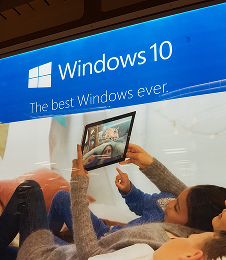
Dave: Expecting the reader to care about what you’re writing. The second you write stuff to fill space, or feel like you’re just going through the motions, you might as well not bother. I see so much lazy writing in the wild, like calling stuff “high quality” without saying what makes it high quality. Or saying that your product is “better than ever”. I remember when Windows 10 was launched and the tagline was “The best Windows ever”. Come on. Seriously? That’s the best a trillion-dollar company can do? I get that there are more channels than ever, and more stuff to write than ever, but there’s no excuse to resort to box-ticking.
MOI: How do you go about injecting life and personality into even the driest of briefs?
Dave: A few things. I dig deep to find out a brand’s real personality. So if a brand voice doc says “we’re human”, I’ll ask for specifics on what makes them human. Do they ask customers how their day’s going when they call up? Or maybe they allow customers to make one late payment a year because sometimes shit happens? I also try to understand the type of humour that their target audience might appreciate. So you probably wouldn’t use a corny pun if you were writing for a punk cider brand, but it might be effective if you were working with a bouncy castle company. Once you know the answers to these, you have a few angles that you can come in at when telling the brand story or coming up with campaign ideas.
MOI: What's your take on the great AI-copy debate?
Dave: It’s depressing that there’s actually a debate. Because everything I’ve witnessed being produced by AI is insipid and soulless. By contrast, the best copy is full of nuanced relatability, personality and authentic human truths that are impossible to fake. This stuff cannot be created synthetically. It comes from speaking to people, from holding the product in your hands, from demo-ing a piece of software. The moment you turn to a chatbot for a first draft of anything, you’re giving up that truth of what you’re writing about. And as a writer, you’re handing over that enjoyment of cracking a brief. I mentioned earlier about how it’s important to make people feel something. But I need to feel something in return. Or what’s the point?
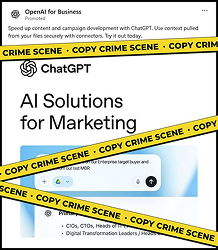
MOI: What's one copywriting crime you'd banish forever if you could?
Dave: Expecting the reader to care about what you’re writing. The second you write stuff to fill space, or feel like you’re just going through the motions, you might as well not bother. I see so much lazy writing in the wild, like calling stuff “high quality” without saying what makes it high quality. Or saying that your product is “better than ever”. I remember when Windows 10 was launched and the tagline was “The best Windows ever”. Come on. Seriously? That’s the best a trillion-dollar company can do? I get that there are more channels than ever, and more stuff to write than ever, but there’s no excuse to resort to box-ticking.
MOI: How do you go about injecting life and personality into even the driest of briefs?
Dave: A few things. I dig deep to find out a brand’s real personality. So if a brand voice doc says “we’re human”, I’ll ask for specifics on what makes them human. Do they ask customers how their day’s going when they call up? Or maybe they allow customers to make one late payment a year because sometimes shit happens? I also try to understand the type of humour that their target audience might appreciate. So you probably wouldn’t use a corny pun if you were writing for a punk cider brand, but it might be effective if you were working with a bouncy castle company. Once you know the answers to these, you have a few angles that you can come in at when telling the brand story or coming up with campaign ideas.
MOI: What's your take on the great AI-copy debate?
Dave: It’s depressing that there’s actually a debate. Because everything I’ve witnessed being produced by AI is insipid and soulless. By contrast, the best copy is full of nuanced relatability, personality and authentic human truths that are impossible to fake. This stuff cannot be created synthetically. It comes from speaking to people, from holding the product in your hands, from demo-ing a piece of software. The moment you turn to a chatbot for a first draft of anything, you’re giving up that truth of what you’re writing about. And as a writer, you’re handing over that enjoyment of cracking a brief. I mentioned earlier about how it’s important to make people feel something. But I need to feel something in return. Or what’s the point?

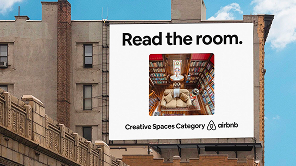
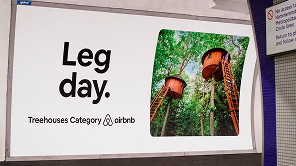
The perfect example of bold headlines and arresting imagery working hand-in-hand to create an OOH platform that never gets old. Airbnb's "Categories" campaign nails the perfect balance of fun, cultural relevance, and staying true to their brand values – without over-explaining it.
Image and article courtesy © AirBnB,
AirBnB. - Elizabeth Bassett | AirBnB Categories




Don't worry, your mind isn't playing dirty tricks on you. You are, in fact, seeing what can only be described as pasta nudity. For World Pasta Day, Dolmio hit the streets with some tongue in cheek OOH ads, with close-up shots of pasta depicting body parts to spotlight one simple message: pasta is naked without Dolmio.
Image and article courtesy © Dolmio,
T&P. Photographer: Sophie Harris-Taylor | Pasta is Naked without Dolmio

The perfect example of bold headlines and arresting imagery working hand-in-hand to create an OOH platform that never gets old. Airbnb's "Categories" campaign nails the perfect balance of fun, cultural relevance, and staying true to their brand values – without over-explaining it.
Image and article courtesy © AirBnB,
AirBnB. - Elizabeth Bassett | AirBnB Categories
Don't worry, your mind isn't playing dirty tricks on you. You are, in fact, seeing what can only be described as pasta nudity. For World Pasta Day, Dolmio hit the streets with some tongue in cheek OOH ads, with close-up shots of pasta depicting body parts to spotlight one simple message: pasta is naked without Dolmio.
Image and article courtesy © Dolmio,
T&P. Photographer: Sophie Harris-Taylor | Pasta is Naked without Dolmio
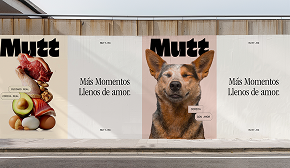
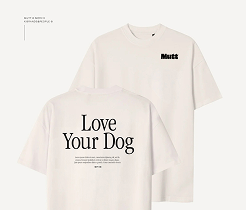
Pets and playfulness go hand in hand. So it's only fitting that pet wellness brand, Mutt, has a visual identity to match. From cheeky wag animations to themed merch – Brands&People positioned a whole new fun and playful brand identity for Mutt, drawing inspiration from human wellness brands.
Image and article courtesy © Mutt,
Brands and People | Mutt branding

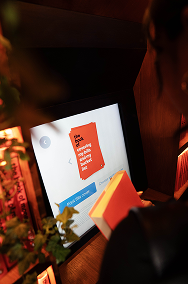
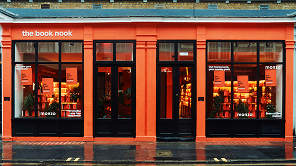
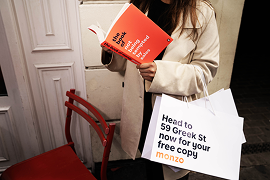
Monzo continuously proves how even banking can benefit from a bit of humor. Their recent campaign saw a pop-up bookshop in Soho, where customers could personalize their own unique book covers for their jargon-free Book of Money – calling customers out on their spending habits and weaknesses, from resisting sales to procrastinating saving.
Image and article courtesy © Monzo,
BBH London | Monzo Book Of Money

Pets and playfulness go hand in hand. So it's only fitting that pet wellness brand, Mutt, has a visual identity to match. From cheeky wag animations to themed merch – Brands&People positioned a whole new fun and playful brand identity for Mutt, drawing inspiration from human wellness brands.
Image and article courtesy © Mutt,
Brands and People | Mutt branding
Monzo continuously proves how even banking can benefit from a bit of humor. Their recent campaign saw a pop-up bookshop in Soho, where customers could personalize their own unique book covers for their jargon-free Book of Money – calling customers out on their spending habits and weaknesses, from resisting sales to procrastinating saving.
Image and article courtesy © Monzo,
BBH London | Monzo Book Of Money

Turning Heads™
Why creative
thinking should be
a feature article.
(What? In this case…
is brand!)
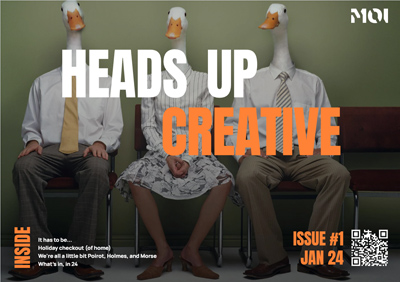
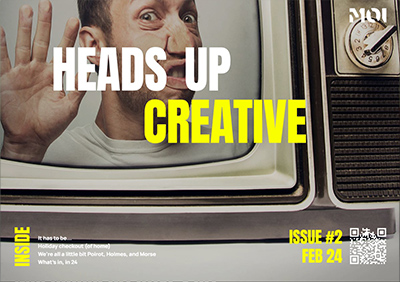
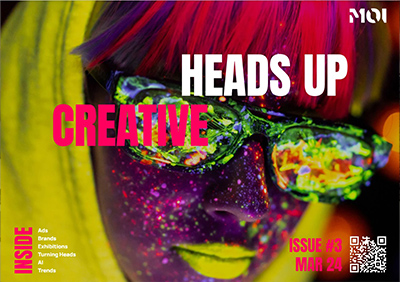
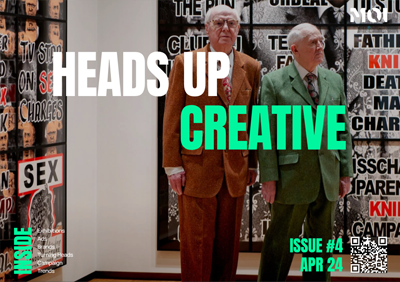
At MOI, we have our own proprietary ‘way’ that we approach creative and divergent thinking and problem solving which we call Turning Heads.
We use Turning Heads to help B2B brands rethink the role of brand—not as some fluffy, surface-level exercise, but as a critical component of growth.
Our philosophy? Brand is your biggest differentiator, especially in a space where everyone’s shouting about features and functions. With the right strategy, brand can elevate your value proposition, create emotional connections, and, yes, turn heads. It’s time to think differently about what your brand can do—because being the smartest person in the room isn’t enough if no one’s listening, but neither is being the most outrageously dressed if no-one’s taking you seriously!
(What? In this case… is brand!)

Written by Mike Christodoulou
I’ve been thinking about how much the role of humor in marketing has changed recently. Brands are increasingly turning to humor and relatability to cut through in competitive markets. But how they do that is shifting.
There was a time when brands made the joke. The clever line, the comically timed stunt, the perfectly cast celebrity cameo. It got people talking and the brand owned the punchline.
Now? It’s different. The audience is becoming part of the story, shaping the narrative and building on the joke – sometimes even at the brand’s expense. We’re witnessing a fascinating shift where humor lives with the audience.
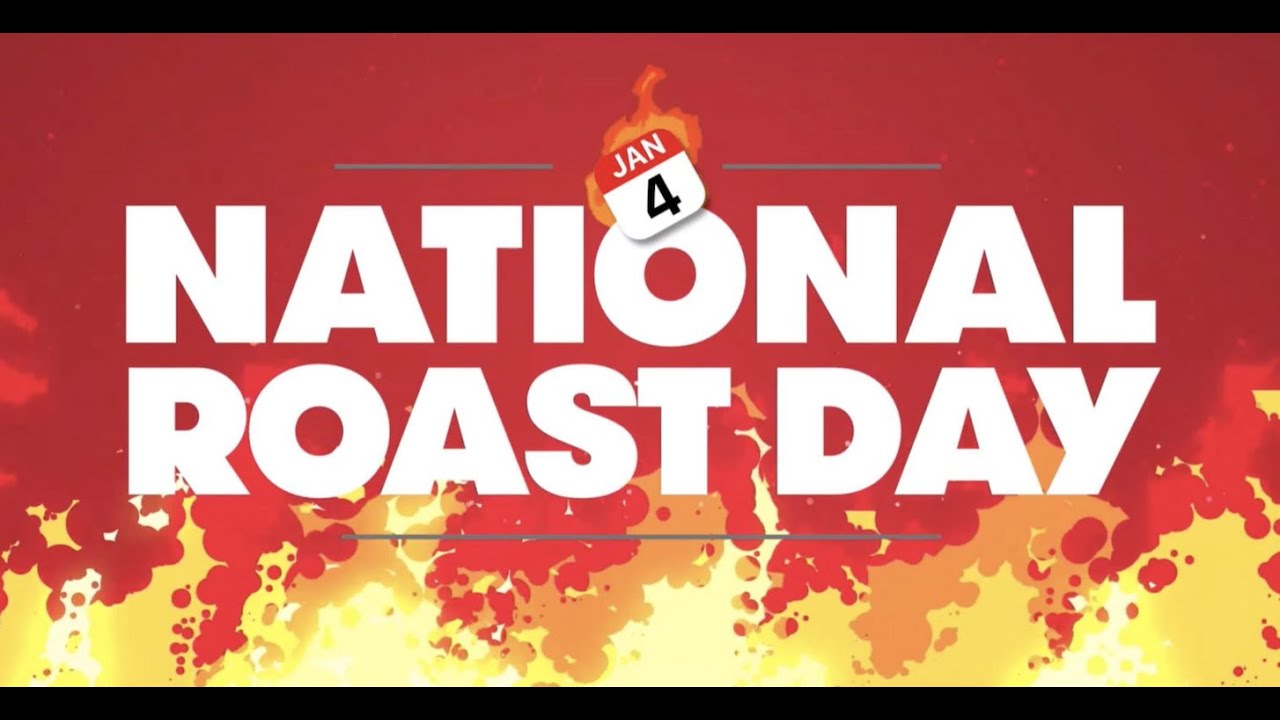
TikTok, Instagram, duets, reels, comments sections. These are the places where customers are going from viewer to participator, roasting brands, tagging their friends and becoming part of the campaign. Brands are no longer the comedians. They’re the setup.
For many, that shift feels uncomfortable. When the audience takes over, you lose control. The joke could miss. It could sting. You could look ridiculous. But that’s where there’s a real opportunity.
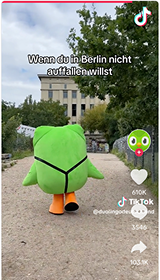
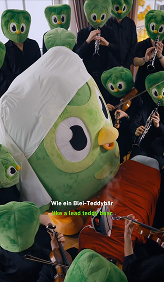
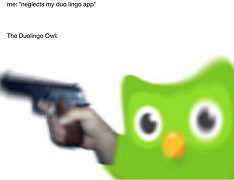
The funniest moments come from truth, chaos and a bit of vulnerability. Brands like Wendy’s, Duolingo and Ryanair have all figured that out already. They don’t try to out-funny the internet – they offer themselves up as bait for the audience to have fun with them.
And that’s the point isn’t it? Because ultimately, the audience just wants to be in on the joke.
So maybe the goal isn’t to make people laugh with you anymore. Maybe it’s to be brave enough to let them laugh at you. Terrifying? Of course. But also memorable.
Image courtesy © Duolingo,
Duolingo | Duolingo TikTok https://www.tiktok.com/@duolingo
Image courtesy © Wendys,
VMLY&R | National Roast Day

I’ve been thinking about how much the role of humor in marketing has changed recently. Brands are increasingly turning to humor and relatability to cut through in competitive markets. But how they do that is shifting.
There was a time when brands made the joke. The clever line, the comically timed stunt, the perfectly cast celebrity cameo. It got people talking and the brand owned the punchline.
Now? It’s different. The audience is becoming part of the story, shaping the narrative and building on the joke – sometimes even at the brand’s expense. We’re witnessing a fascinating shift where humor lives with the audience.
TikTok, Instagram, duets, reels, comments sections. These are the places where customers are going from viewer to participator, roasting brands, tagging their friends and becoming part of the campaign. Brands are no longer the comedians. They’re the setup.
For many, that shift feels uncomfortable. When the audience takes over, you lose control. The joke could miss. It could sting. You could look ridiculous. But that’s where there’s a real opportunity.
The funniest moments come from truth, chaos and a bit of vulnerability. Brands like Wendy’s, Duolingo and Ryanair have all figured that out already. They don’t try to out-funny the internet – they offer themselves up as bait for the audience to have fun with them.
And that’s the point isn’t it? Because ultimately, the audience just wants to be in on the joke.
So maybe the goal isn’t to make people laugh with you anymore. Maybe it’s to be brave enough to let them laugh at you. Terrifying? Of course. But also memorable.
Image courtesy © Duolingo,
Duolingo | Duolingo TikTok https://www.tiktok.com/@duolingo
Image courtesy © Wendys,
VMLY&R | National Roast Day
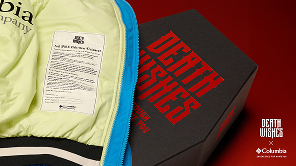
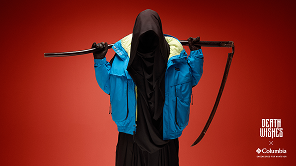
For Halloween, Columbia reimagined a familiar spooky face as TikTok and Instagram influencer, @Reaper_1938, promoting their new limited-edition jacket in a series of spoof-y, comical social activations.
Image and article courtesy © Columbia,
Adam&Eve TWBA London | Death Wishes X Columbia
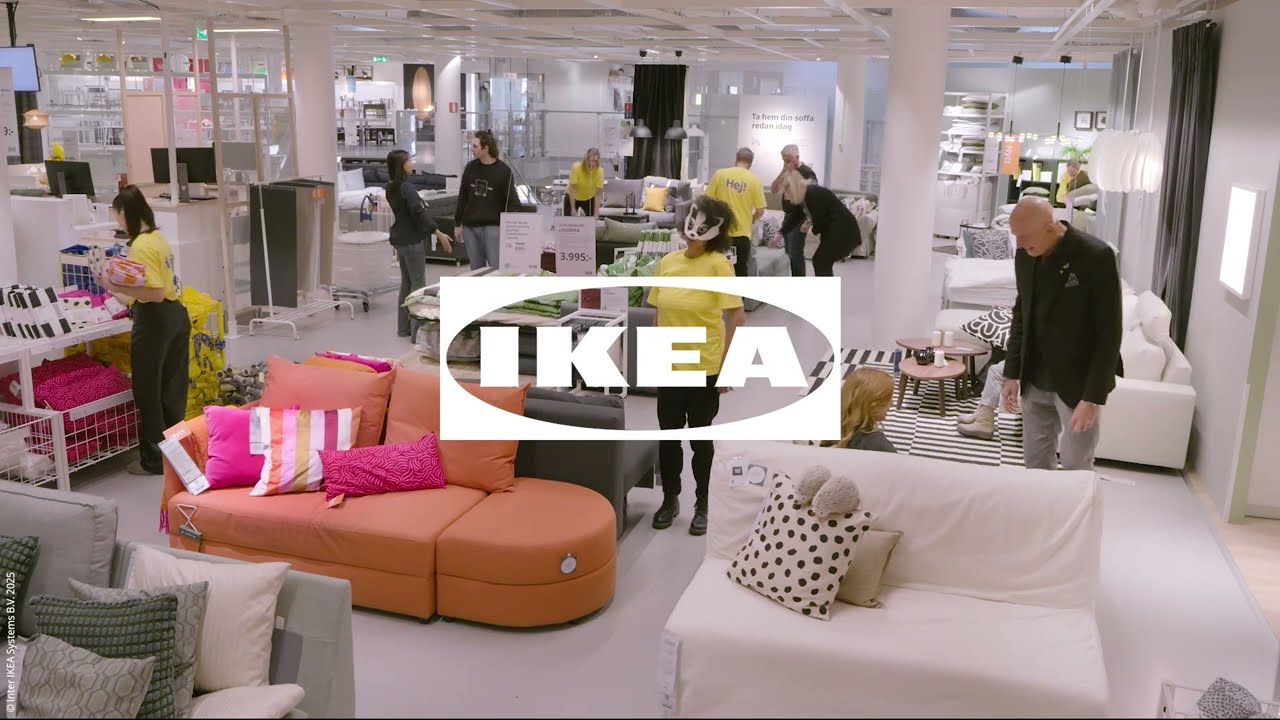
Poking fun of your own shortcomings can go a long way. Just check out this campaign from IKEA, which playfully acknowledges its delayed introduction of a loyalty points system by reviving decade-old viral trends like the Harlem Shake and Mannequin Challenge – instantly making the brand feel more relatable and fun.
Image and article courtesy © IKEA,
ÅKESTAMHOLST | IKEA - Better late than Never

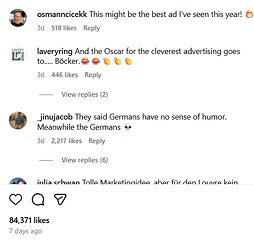
Most brands would probably panic when associated with a crime – but not Böcker. After their lift was photographed at the Louvre heist crime scene, they responded within a day with a cheeky ad featuring the viral crime scene photo with the headline "When you need to move fast". And unsurprisingly, the campaign exploded!
Image and article courtesy © Bocker,
Julia Scharwatz - Marketing lead at Bocker | When you need to move fast



For Halloween, Columbia reimagined a familiar spooky face as TikTok and Instagram influencer, @Reaper_1938, promoting their new limited-edition jacket in a series of spoof-y, comical social activations.
Image and article courtesy © Columbia,
Adam&Eve TWBA London | Death Wishes X Columbia
Poking fun of your own shortcomings can go a long way. Just check out this campaign from IKEA, which playfully acknowledges its delayed introduction of a loyalty points system by reviving decade-old viral trends like the Harlem Shake and Mannequin Challenge – instantly making the brand feel more relatable and fun.
Image and article courtesy © IKEA,
ÅKESTAMHOLST | IKEA - Better late than Never
Most brands would probably panic when associated with a crime – but not Böcker. After their lift was photographed at the Louvre heist crime scene, they responded within a day with a cheeky ad featuring the viral crime scene photo with the headline "When you need to move fast". And unsurprisingly, the campaign exploded!
Image and article courtesy © Bocker,
Julia Scharwatz - Marketing lead at Bocker | When you need to move fast
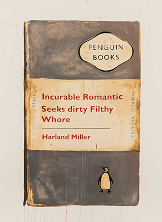
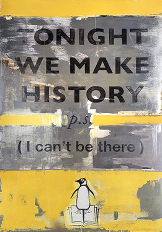
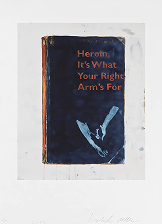
With a unique blend of sardonic wit and sharp social commentary, artist Harland Miller highlights the contradictions of modern life by reimaging Penguin book covers with humorous, provocative titles.
Image and article courtesy © Harlan Miller,
Harlan Miller | Harland Miller's art
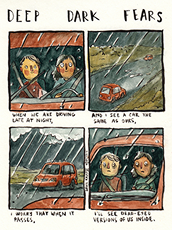
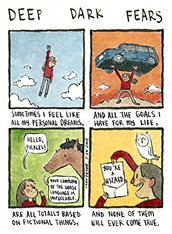
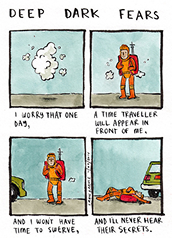
We all have fears. But by injecting some humor and relatability into even the most irrational thoughts, artist Fran Krause shows how we're never truly alone, with his web comic series, 'Deep Dark Fears'.
Image and article courtesy © Deep Dark Fears,
Fran Krause | Deep Dark Fears


With a unique blend of sardonic wit and sharp social commentary, artist Harland Miller highlights the contradictions of modern life by reimaging Penguin book covers with humorous, provocative titles.
Image and article courtesy © Harlan Miller,
Harlan Miller | Harland Miller's art
We all have fears. But by injecting some humor and relatability into even the most irrational thoughts, artist Fran Krause shows how we're never truly alone, with his web comic series, 'Deep Dark Fears'.
Image and article courtesy © Deep Dark Fears,
Fran Krause | Deep Dark Fears
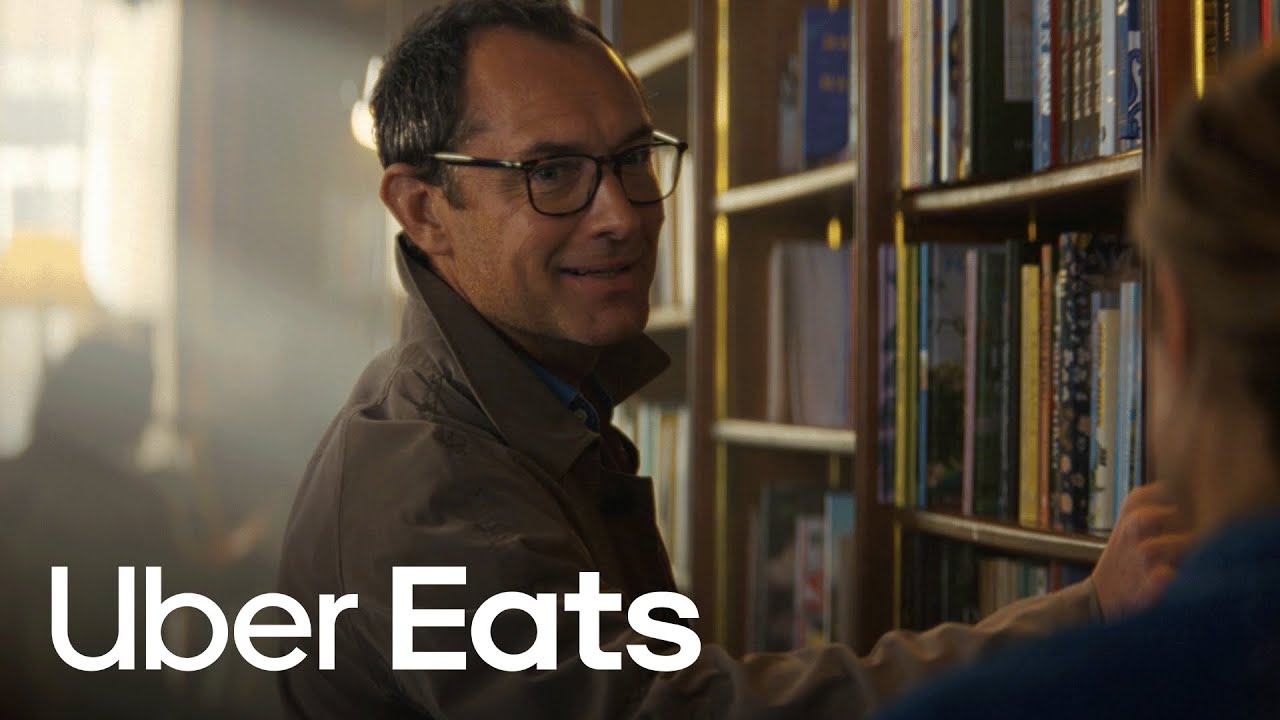
When people think Jude Law, they immediately think rom coms. But Uber Eats spins that reputation on its head with their 'Romance'd enough' campaign. No more meet cutes. Jude just wants his chicken wings.
Image and article courtesy © Uber eats,
Mother London | Romance'd enough
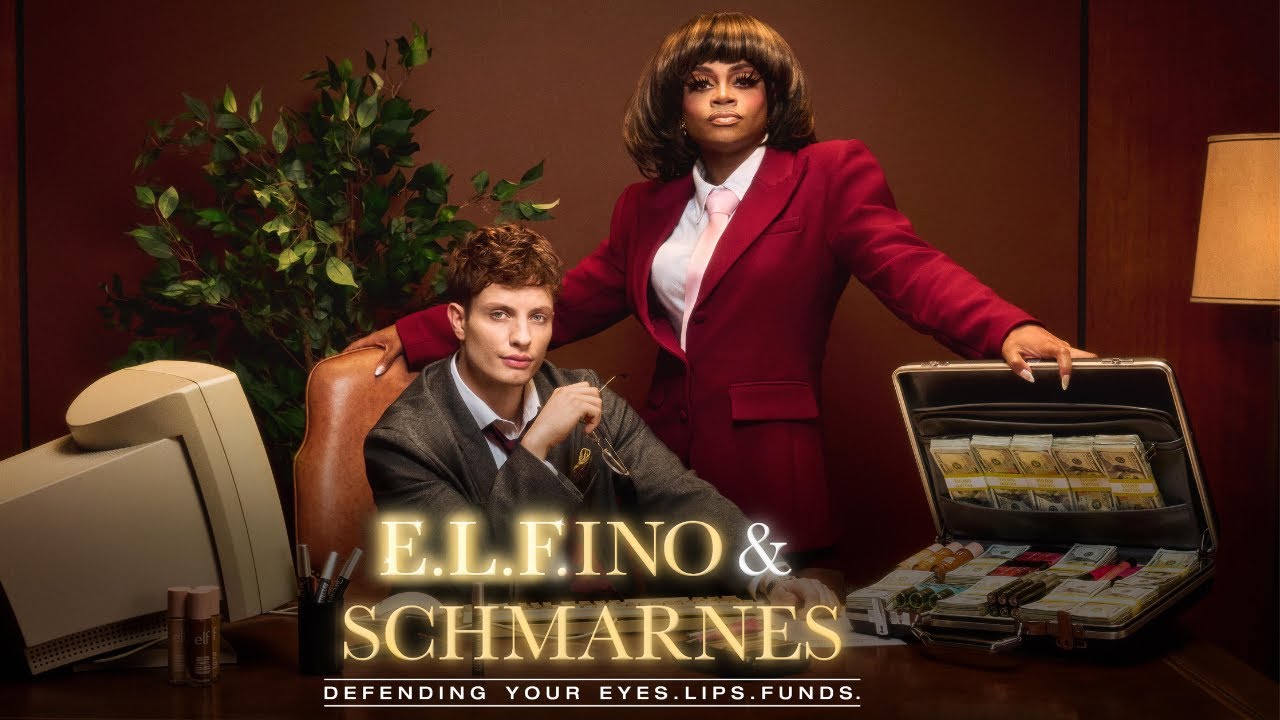
Sometimes serious issues call for not-so-serious campaigns. Starring comedian Matt Rife and drag star Heidi N Closet, E.l.f Beauty's campaign earlier this year took a spoofy legal spin to call out overpriced cosmetics.
Image and article courtesy © E.l.f beauty,
E.l.f beauty | e.l.f.ino & schmarnes

When people think Jude Law, they immediately think rom coms. But Uber Eats spins that reputation on its head with their 'Romance'd enough' campaign. No more meet cutes. Jude just wants his chicken wings.
Image and article courtesy © Uber eats,
Mother London | Romance'd enough
Sometimes serious issues call for not-so-serious campaigns. Starring comedian Matt Rife and drag star Heidi N Closet, E.l.f Beauty's campaign earlier this year took a spoofy legal spin to call out overpriced cosmetics.
Image and article courtesy © E.l.f beauty,
E.l.f beauty | e.l.f.ino & schmarnes
Need inspiration for your next campaign, or want to chat with our global Creative
Team?
creative@moi-global.com
Get those creative juice flowing with head-turning
examples of
creativity, straight to your inbox.